- Reputation
Sam Altman and the gap between brand and behavior
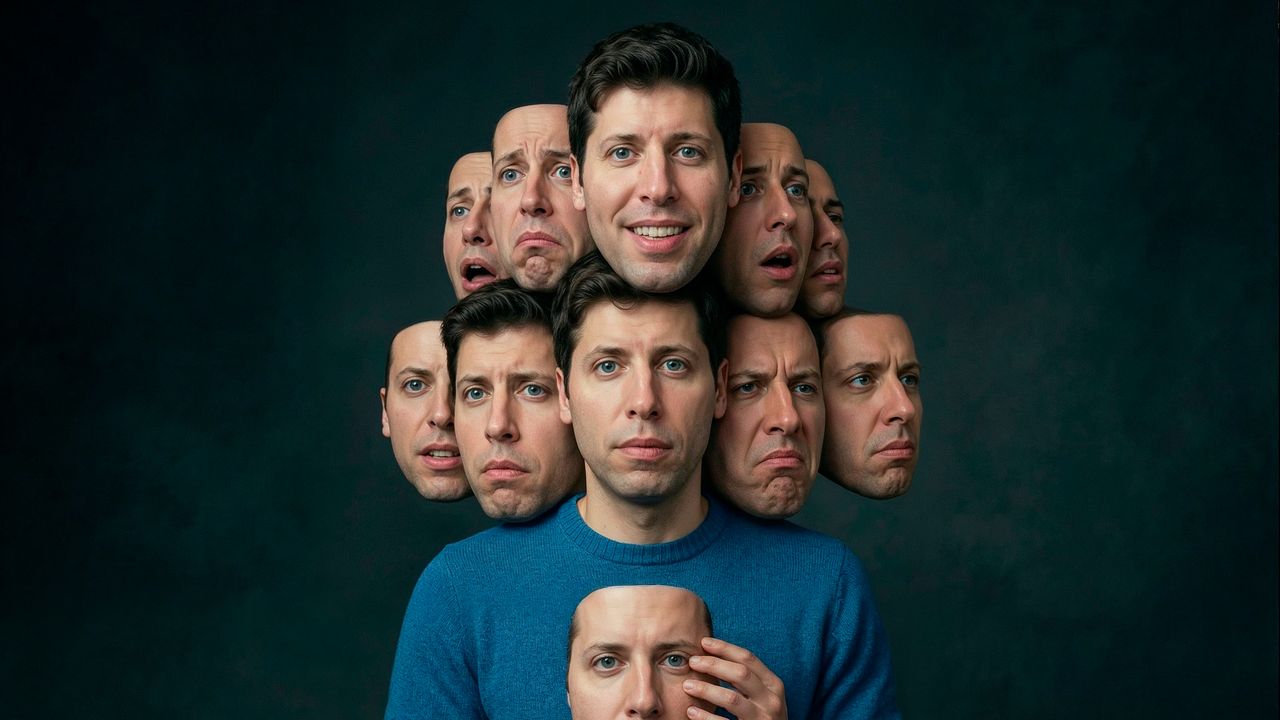
Illustration: The New Yorker (from the linked article below). Used here in editorial commentary.
The New Yorker published an article asking whether Sam Altman can be trusted. Former board members compiled 70 pages of memos alleging the OpenAI CEO to be "sociopathic" and a "scammer."
Here's what every leader should take from it: the CEOs who survive these moments are the ones whose brand matches their behavior. The ones who don't survive are the ones caught in the gap between who they say they are and who their former colleagues say they are.
- Wartime CEOs make enemies. Ben Horowitz popularized the distinction between peacetime and wartime CEOs. Peacetime CEOs optimize; wartime CEOs restructure and choose speed over consensus. Sam Altman fired co-founders, pushed out safety researchers, and converted a nonprofit into a trillion-dollar company. Of course there are people with grievances. The alternative would be a CEO who never made a hard call — and that CEO wouldn't be running the most important AI company on the planet.
- None of this should surprise any CEO. Every CEO making transformative decisions should assume that a mild version of this exists — be it vindictive Kununu reviews or an ex-sales director telling your client you "can't be trusted". The question isn't whether it will happen to you. It's whether you're prepared when it does.
- Does any of it actually matter? 730 OpenAI employees threatened to leave with Altman when the board tried to fire him. Not from him. The loudest critics are former employees who left to build competing companies — Dario Amodei runs Anthropic, Ilya Sutskever founded Safe Superintelligence. These aren't neutral observers; they are competitors with every incentive to undermine Altman's credibility. Are their opinions still relevant, or just strategic?
- It comes down to authenticity (and resilience). Elon Musk built an entire brand around being controversial. His audience knows exactly what they're getting. Altman has positioned himself as the responsible AI leader — the man who testified before Congress and called for regulation.
Altman now has to decide: does he follow the "responsible steward" narrative and close the gap between perception and reality? Or does he fully embrace what he actually seems to be — a relentless, all-in operator building Artificial Superintelligence at any cost — and let the world decide if they're on board?