- AI
- Crisis
Trust in the deepfake era is not a feeling
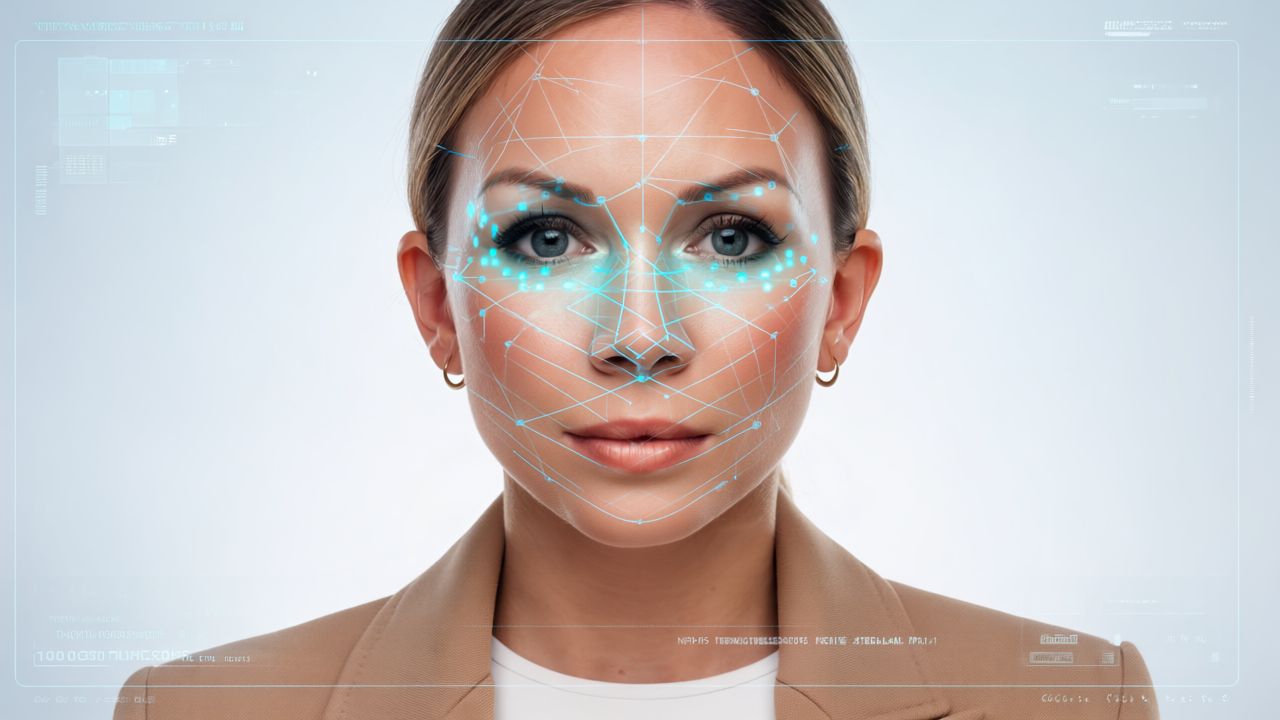
Symbolic image.
Someone recently asked me: how can you trust the content of companies in the deepfake era — and how do you build credible trust with your own employees in corporate communications?
My answer was: You shouldn't. And: you don't actually want to.
In a time when AI-based fakes look deceptively real, we don't need employees who believe everything unquestioningly. We need teams who think critically — who, when faced with a supposed CEO resignation sent as a video message, first ask: "Hold on, can that be real?"
Trust isn't built through nice-sounding messages, but through measures that actually secure trustworthiness:
- Verification instead of blind acceptance. Add a second layer to every unusual or sensitive process — e.g. a callback to the sender or a check through a second channel before acting.
- Clear authentication processes. Always mark sensitive internal communications unambiguously — through digital signatures, watermarks or central publication channels.
- Awareness training. Regular training on deepfakes, social engineering and digital manipulation — so that critical thinking becomes routine again.
- Transparent reporting channels. It must be easy and safe to report suspicious content internally.
- Establish a culture of "challenge". Inside the company it has to be clear: whoever questions things acts responsibly — not annoyingly.
Trust in the digital space is not a feeling. Trust is the sum of traceable processes, technical safeguards — and, of course, the right crisis preparedness in communications ;)